
How to Build a Daily Reading Routine That Lasts
Start Smaller Than You Think
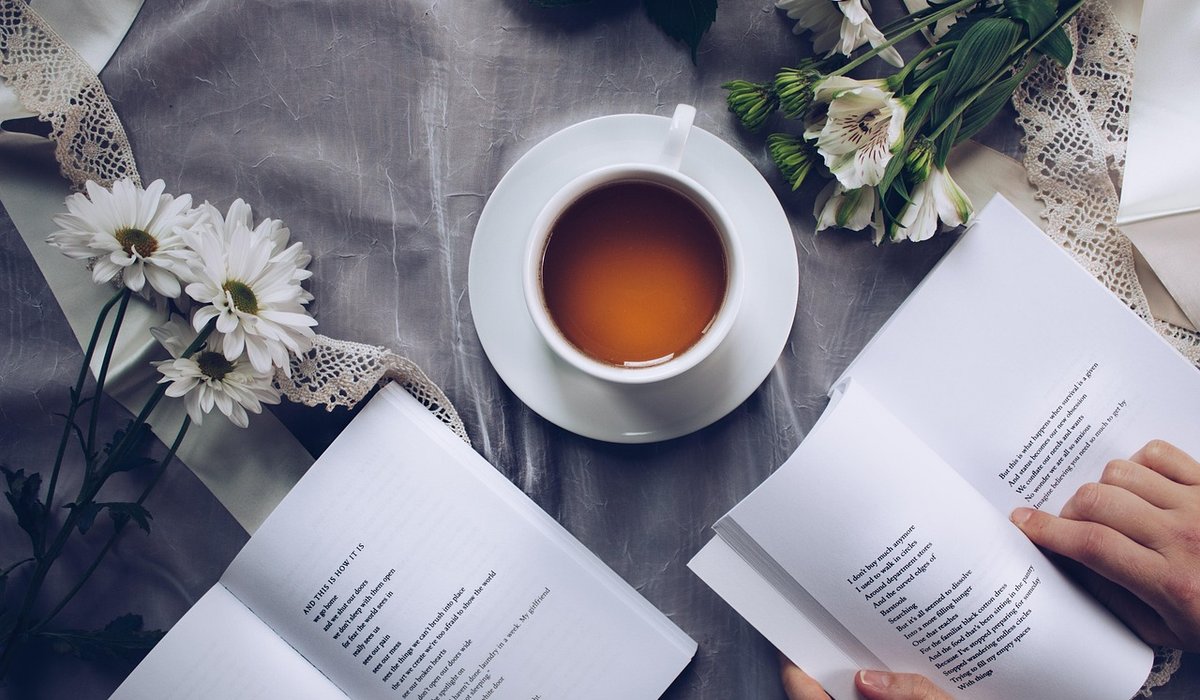
The most common reason reading routines collapse is that we build them for the reader we fancy ourselves to be rather than the one we actually are. We imagine an hour each evening, a candle lit, a mug of tea steaming gently beside a hardback. Then real life arrives, the hour shrinks to nothing, and we conclude we are simply not readers. This is backwards. A sustainable habit begins with an almost embarrassingly modest commitment: ten minutes a day. That is it. Long enough to read a few pages, short enough that you can almost always find it, even on a Wednesday in February when everything has gone sideways.
Ten minutes a day is roughly half an hour of reading a week, more than twenty hours across a year. That is several books, easily. The point is not the arithmetic, though. The point is that a habit you can keep builds an identity, and identity is what carries you through the difficult weeks. Once you genuinely think of yourself as someone who reads daily, missing a day feels odd rather than liberating.
Anchor Reading to Something You Already Do
Motivation is unreliable; routine is not. The most dependable way to make reading stick is to attach it to an existing habit — something you already do without thinking. Behavioural scientists call this habit stacking, but you can simply think of it as piggybacking.
- With your morning coffee: ten minutes before you look at your phone, while the kettle cools.
- On your commute: the same seat, the same chapters, every journey.
- While dinner finishes in the oven: a book on the counter instead of a screen.
- At bedtime: fifteen minutes before lights out, replacing the scroll you half-regret anyway.
Choose one anchor and keep it for a fortnight before adding another. If the anchor slips — a change of job, a new baby, a house move — simply reattach the reading to whatever has replaced it. The habit is portable; only the scaffolding needs updating.
Make the Book Physically Easier to Reach Than Your Phone
Friction decides most of our daily behaviour. If your book is in a bag in another room and your phone is in your hand, you already know which one wins. Tip the scales deliberately. Keep the current book on your pillow, on the arm of the sofa, or in your coat pocket. Put your phone in another room while you read, or at least face down and out of arm's reach. Even a few seconds of extra effort is often enough to change your choice.
It also helps to have a second book on the go — a lighter one for tired evenings, something more demanding for bright mornings. Reading two books at once is not cheating; it is simply matching the text to your available energy. The reader who insists on one worthy tome and nothing else often ends up reading nothing at all.
Choose Books That Actually Hold You
This is the part people resist, because abandoning a book feels like failure. It is not. A reading routine is powered by genuine appetite, and the fastest way to kill one is to spend a fortnight grinding through a novel you do not enjoy because a critic adored it. Give every book a fair span — fifty pages, or roughly a chapter and a half — and if it has not caught you by then, put it down. You can always return. Most books will wait patiently on the shelf without taking offence.
Pay attention to what keeps you turning pages and be honest about it. Perhaps you want plot, or a narrator with a sharp voice, or short chapters you can finish in a bus ride. Perhaps essays suit your scattered attention better than fiction this season. Let your actual tastes, rather than your aspirational ones, guide the next choice. There is no prize for finishing difficult books and no shame in enjoying thrillers, cosy crime, or a well-told history of something obscure.
Protect the Habit From Your Own Standards
Perfectionism is the quiet enemy here. The moment reading becomes another arena for self-improvement, it loses its pull. So drop the tracking apps if they feel like homework. Let go of the idea that you must read an hour to count. Allow yourself to reread, to skim, to skip a dull paragraph, to read a graphic novel or a children's classic when the mood demands it. All reading counts, and the person who reads ten minutes daily for years will out-read the one who attempts a heroic weekend every quarter.
Keep a loose record if you enjoy it — a page of titles and dates in the back of a notebook is plenty — but treat it as a pleasure, not a ledger. The aim is a lifelong relationship with books, and relationships survive on warmth rather than discipline.
Expect the Rhythm to Change
Some weeks you will read for two hours a night; others, you will manage a page and a half before falling asleep with the light on. Both are part of the same routine. The skill is not in maintaining a perfect streak but in returning without drama after a gap. Miss a day, pick up the book the next. Miss a month, pick up the book the next.
Over time you will notice something pleasing: the ten minutes grows on its own. You will linger a little longer, reach for the book when you are bored rather than reaching for a screen, and find yourself thinking about the characters while you wait for the kettle. That is a reading life, built not from grand intentions but from small, repeated, genuinely enjoyable choices.
tag: Reading Habits

Priya Nair Author
An introduction to a poet whose work captures industrial landscapes, family ties, and the changing seasons of northern life with precise imagery.
YOU MAY ALSO LIKE

Profiling a Contemporary Poet from Northern England
Sep 18
10Explore the key conventions, settings, and authors of British crime fiction, from village mysteries to gritty urban detective stories and psychological thrillers.
read more
A Beginner's Guide to British Crime Fiction
Sep 15
10Tips for choosing accessible titles, guiding conversation, and keeping meetings welcoming, whether you meet monthly or fortnightly with friends.
read moreBook Reviews
-

ERRIC CATONA
Simple ideas for lighting, seating, and storage that turn an awkward corner into a restful place for daily reading, even in compact flats.
May 19, 2016 at 5.12 pm
Reply
ERRIC CATONA
How to select illustrated stories with rich language and engaging art that encourage young readers to ask questions and invent their own tales.
May 19, 2016 at 5.12 pm
Reply -
ERRIC CATONA
Visit landscapes that inspired classic novels and poetry, with suggestions for walks, museums, and quiet spots perfect for reading outdoors.
May 19, 2016 at 5.12 pm
Reply
Reading Habits
Your email address will not be published.